
What is Smart Screed (Self-Levelling Screed)?
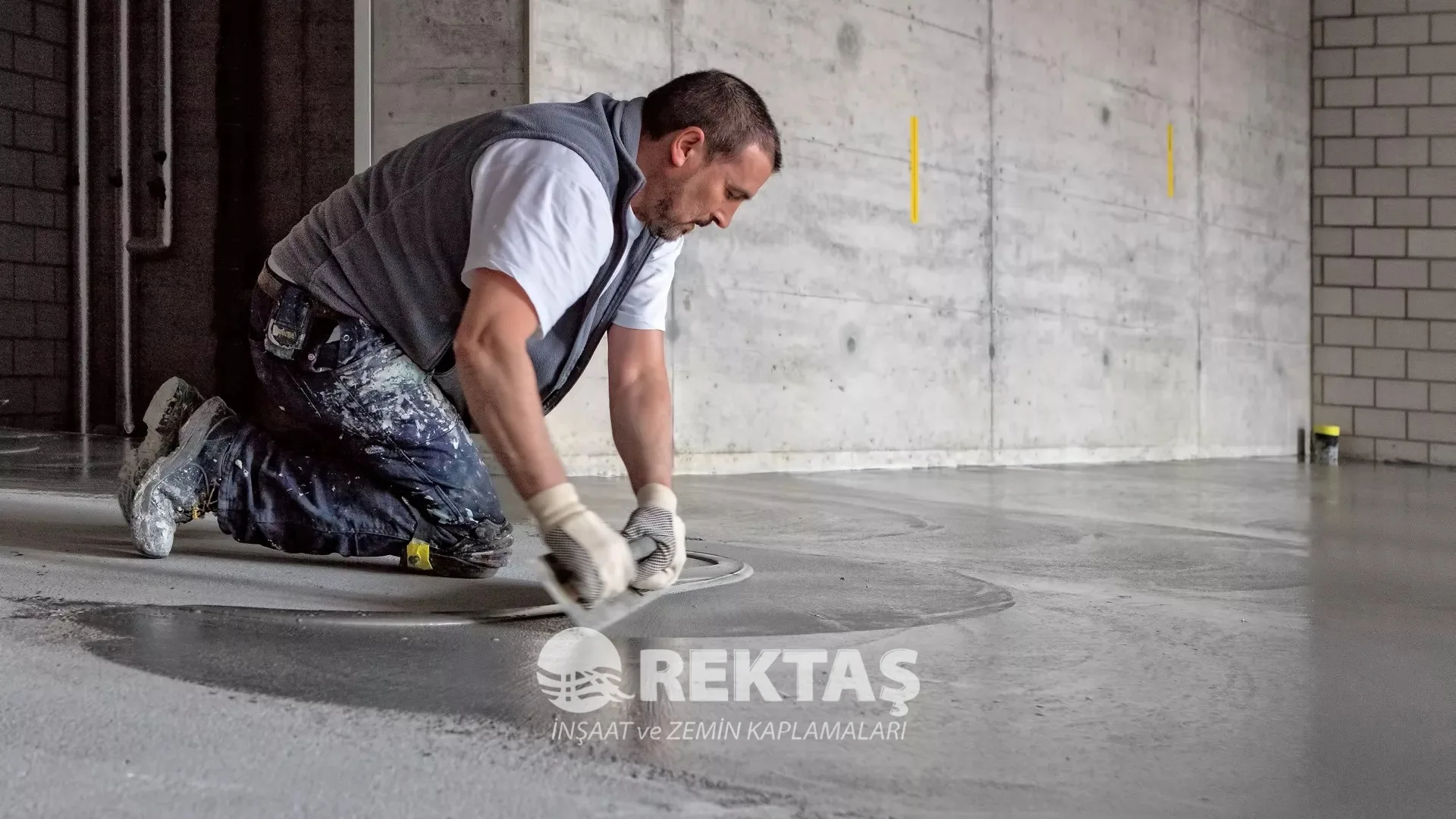
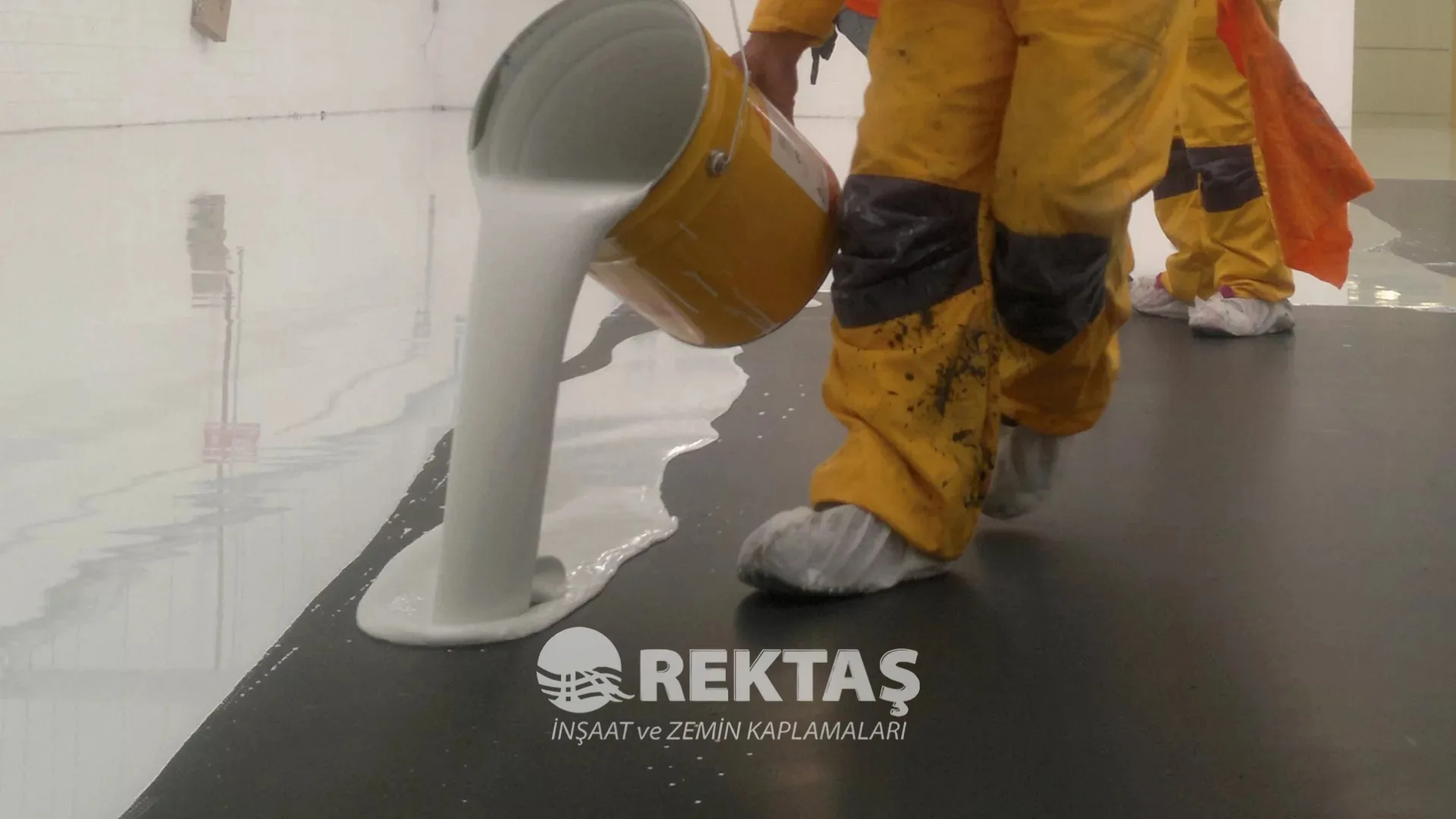
Smart screed (self-spreading screed) is a high-performance floor preparation and finishing material with self-leveling properties, used in a wide range from residences to industrial facilities, offices to commercial areas. These self levelling screed systems, applied in fluid consistency, stand out with superior features that meet the fast, flat, and smooth floor preparation needs of modern structures.
Smart Screed Chemical Composition and Material Types
Cement-Based Smart Screed (Cementitious Self-Levelling)
The most commonly used type of smart screed, with Portland cement as its main component.
- Components: Fine aggregate (quartz sand), fluidizers, set regulators
- Water/Cement Ratio: 0.4-0.5
- Compressive Strength: 20-35 MPa
- Drying Time: 24-48 hours, full cure 28 days
- Advantages: Economical, suitable for all floor types
Calcium Sulfate (Anhydrite) Based Smart Screed
Anhydrite screed, a premium self levelling screed type, is widely used in Europe.
- Main Component: Anhydrous calcium sulfate
- Advantages: Excellent flatness, low shrinkage, superior acoustic properties
- Limitations: Not used in wet areas
- Cost: 30-50% higher than cement screed
- Drying: 7-14 days, 3-5 days with fast dryer
Smart Screed Additives and Functions
- Fluidizers: Provide high fluidity, give self-spreading property
- Set Regulators: Control application time and hardening speed
- Air Entrainers: Increase workability, enhance freeze-thaw resistance
- Polymer Additives: Provide flexibility, reduce cracking risk
- Fiber Reinforcements: Increase crack resistance, prevent shrinkage cracks
Advantages of Smart Screed System
Perfect Flatness and Level
Smart screed self-levels with gravity to create a perfectly flat surface. Minimizes human error margin in traditional screeds. Flatness tolerance reaches SR1-SR2 class (DIN 18202).
Fast Application and Time Saving
While 100 m² area takes 1-2 days with traditional screed, it is completed in 2-3 hours with self levelling screed. Labor cost decreases by 50-70%.
Minimum Labor Requirement
Does not require experienced screed masters. Applied with pump operator and assistants. Does not require special training.
Thin Layer Applicability
Can be applied in very thin layers like 1-3 mm. Minimizes ceiling height loss in existing structures.
High Strength and Durability
Provides 20-35 MPa compressive strength thanks to optimized water/binder ratio. Long-lasting and wear-resistant.
Smart Screed Types and Applications
Thin Layer Smart Screed
1-10 mm thickness, used for surface correction. Prepares ideal surface before final flooring. Fast drying time (6-24 hours).
Medium Thickness Smart Screed (Standard)
10-40 mm thickness, general purpose use. Ideal solution for underfloor heating systems. Provides structural strength (20-30 MPa).
Thick Layer Smart Screed (Heavy Duty)
40-100 mm thickness, for industrial facilities. Resistant to forklift and heavy machine traffic. Compressive strength 30-50 MPa.
Smart Screed for Underfloor Heating Systems
High thermal conductivity (λ = 1.2-1.4 W/mK), low shrinkage. Perfectly fills gaps between pipes.
Smart Screed Usage Areas
Residential Applications
- Living rooms and lounges (floor preparation)
- Kitchens (waterproof type)
- All underfloor heated areas
- Balconies and terraces (outdoor type)
- Apartment renovations
Commercial Areas
- Offices and business centers
- Shopping malls
- Hotel rooms and lobbies
- Restaurants and cafes
- Showrooms and exhibition areas
Healthcare Facilities
- Hospital rooms and corridors
- Operating rooms and intensive care units
- Laboratories and imaging departments
- Pharmacies and drug preparation rooms
Smart Screed Application Process
1. Project Planning and Preparation
Area measurement, floor assessment, screed thickness calculation, material type selection. Optimal temperature 10-25°C.
2. Subfloor Preparation
- Cleaning: Removal of dust, dirt, oil residues
- Repair: Repair of cracks and cavities
- Drying: Moisture content should be below 4% RH
- Absorption Control: Primer application when needed
3. Primer Application
Reduces floor absorbency, increases bonding strength. Provides homogeneous drying. 2-12 hours drying time.
4. Material Preparation and Mixing
- Use of factory-packaged dry mix
- Precise measurement of water amount
- Homogeneous mixing with industrial mixer
- Fluidity test (24-28 cm spread)
5. Screed Pouring and Leveling
- Start pouring from the farthest point
- Self-spreading
- Removing air bubbles with spike roller
- Thickness control
6. Curing Process
The first 24 hours are critical:
- Area closed to traffic
- Air flow should be prevented
- Temperature between 10-25°C
- Humidity 50-70%
Smart Screed Maintenance and Long-Term Performance
Smart screed requires minimal maintenance after application and covering:
- Avoiding early traffic
- Proper temperature and humidity control
- Regular ventilation
- Professional covering application
Smart Screed Prices
Smart screed cost depends on the following factors:
- Material type (cement or calcium sulfate)
- Application thickness
- Area size
- Special additive requirements
- Application difficulty
For current smart screed prices, you can contact us or visit our online store.
Let's work together
We are the architects of innovation, the pioneers of development. As a strong business partner accompanying you in your success, we aim to add value in every project.