
What is Polyurethane Floor Coating?
Polyurethane floor coating is a flexible and durable industrial floor coating system based on polyurethane resin, applied in liquid form as two or single component. With high mechanical resistance, chemical durability, and elasticity properties, it has a wide range of applications from food facilities to cold storage, from hospitals to production facilities.
Polyurethane Floor Types
Polyurethane Resin Mortar (PU Mortar)
High-strength thick application type obtained by mixing polyurethane resin with quartz sand. Thickness 4-12 mm. Resistant to heavy mechanical load, forklift traffic, chemical exposure. Ideal for food production facilities, meat and fish processing, industrial kitchens. Excellent thermal shock resistance (between -40°C and +120°C).
Self-Leveling Polyurethane (Self-Levelling PU)
Fluid consistency, self-spreading, creating smooth surface thin-medium thickness (2-4 mm) application. Aesthetic appearance, hygienic surface. Hospital, laboratory, pharmacy, clean room applications. Seamless, easy-to-clean surface. Glossy or matte finishing options.
Elastic Polyurethane (Elastic PU)
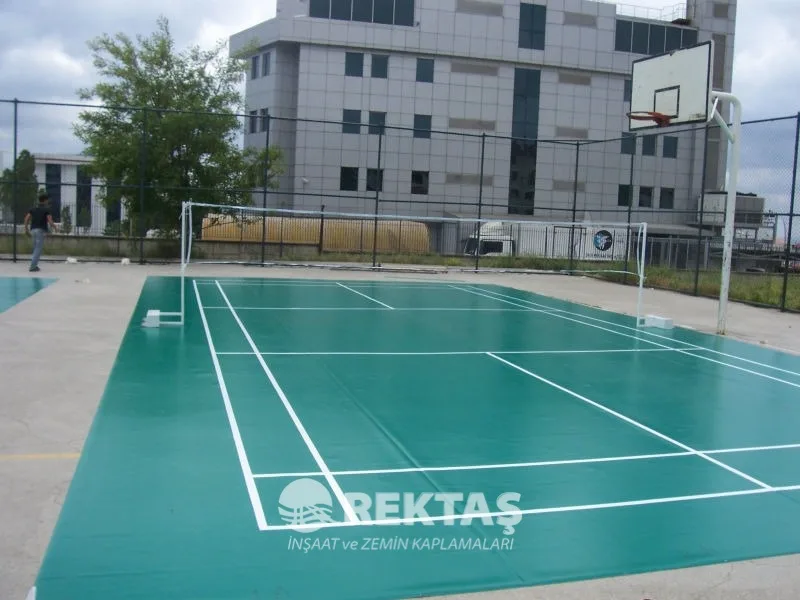
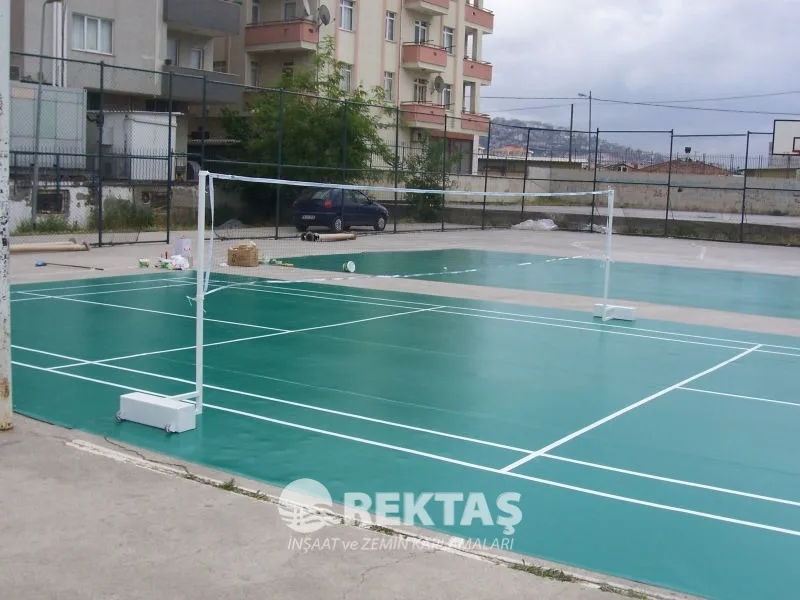
Soft floor coating providing high flexibility and impact absorption. Thickness 3-8 mm. Gymnasiums, multi-purpose fields, running tracks, fitness areas. Protects athletes' joint health. Closed-cell, does not retain water. Colorful, vibrant options.
Polyurethane Varnish/Sealer
Protective transparent or colored thin layer (0.5-1 mm) applied on epoxy, concrete, or wood floor. High UV resistance, does not yellow. Protective layer on epoxy for outdoor applications. Glossy, semi-matte, or matte finish. Increases wear resistance.
Anti-slip Polyurethane
Safety-oriented application containing coarse aggregate or special anti-slip additives. Ramps, stairs, wet areas, loading ramps. R11-R13 slip resistance. Mandatory in areas with critical safety standards.
Advantages of Polyurethane Floor Coating
High Flexibility
Tolerant to cracks and floor movements. Excellent impact absorption. 500% more elastic than epoxy. Thermal expansion-contraction does not cause problems.
Thermal Shock Resistance
Resistant to rapid temperature changes (between -40°C and +120°C). Ideal for cold storage facilities, industrial oven surroundings. Does not crack or peel.
Chemical Resistance
Resistant to acids, bases, solvents, oils, fuels, cleaning chemicals. Suitable for food industry, chemical plants, laboratories.
UV Resistance
Does not yellow, minimum color fading. Ideal for outdoor use. Epoxy yellows under UV, polyurethane remains stable.
Hygienic and Easy Cleaning
Seamless, non-porous surface. Does not harbor bacteria, mold. Complies with food and pharmaceutical industry standards.
Fast Curing
Ready for walking traffic within 24-48 hours, full capacity in 5-7 days. Faster than epoxy.
Definition and Structure of Polyurethane Floor Coating
Polyurethane (PU) floor coating is a surface coating system that results from the chemical reaction (polymerization) of polyurethane resin and hardener components, creating elastic, chemical and mechanically resistant surfaces. Unlike epoxy, it provides high flexibility, impact absorption, and thermal shock resistance.
Chemical Structure
Resin Component (A)
Consists of polyol (polymer containing alcohol group) and MDI or TDI (isocyanate) components. Flexibility, mechanical properties, and chemical resistance come from this component.
Hardener (B)
Amine or polyamine-based catalyst. Initiates curing reaction when mixed with resin. Mixing ratio is usually 2:1 or 3:1.
Additives
Colorants, fillers (quartz sand), fluidity regulators, UV stabilizers, antistatic agents, anti-slip (non-slip) aggregates.
Application Areas of Polyurethane Floor Coating
Food Industry
- Production facilities
- Meat processing
- Dairy products
- Beverage production
- Industrial kitchens
- Bakeries
- Cold storage facilities
Healthcare Facilities
- Hospital operating rooms
- Laboratories
- Pharmacy production areas
- Sterilization centers
Chemical and Pharmaceutical
- Chemical production plants
- Pharmaceutical factories (GMP class)
- Cosmetics production
- Clean rooms
Sports Facilities
- Indoor sports halls
- Multi-purpose fields
- Fitness centers
- Running tracks
Industrial
- Automotive factories
- Electronics production
- Logistics centers
- Assembly lines
Polyurethane Floor Coating Application Process
Floor Preparation
Concrete must be minimum 28 days cured, clean, dry (below 4% moisture), flat. Surface is opened with grinding. Cracks are repaired.
Primer
First layer that reduces floor absorbency and strengthens adhesion. Applied with roller or brush. 6-12 hours drying.
Main Layer
Two components are mixed (resin+hardener). Poured onto floor, spread with spatula or roller. Self-leveling types self-level.
Top Coat
Protective final layer. UV resistant, wear resistant varnish. Applied in 1-2 coats. Glossy or matte option.
Curing
24 hours for walking, 5-7 days for full use, 14 days for full chemical resistance.
Maintenance and Cleaning
☀️ Daily Maintenance
Sweeping, damp mopping
📅 Weekly Maintenance
pH neutral detergent, pressure water
🗓️ Monthly Maintenance
Floor cleaning machine
📆 Annual Maintenance
Professional maintenance, top coat renewal
⚠️ Warning: Excessive abrasive chemicals and sharp metal tools should not be used.
Polyurethane Floor Coating Prices
The cost of polyurethane floor coating varies depending on many factors: application area, floor type, thickness, and special requirements.
Get Current Price Quote
Contact our expert team to get a special price quote for your project and get detailed information
0532 523 85 67🔗 Our Other Floor Services
Let's work together
We are the architects of innovation, the pioneers of development. As a strong business partner accompanying your success, we aim to add value in every project.